
 (08) 8278 8900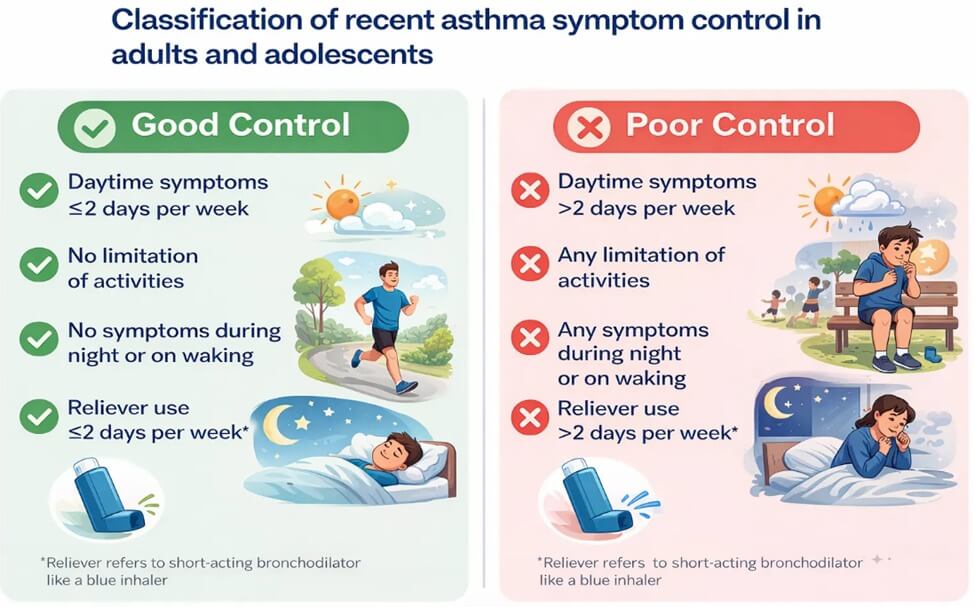
Asthma is common, especially here in Adelaide where cold dry winters, summer grass and pollen, bushfire smoke and viral infections can all trigger symptoms. Many people assume that using a puffer most days or waking up coughing at night is just part of having asthma.
It is not.
According to the Australian Asthma Handbook, these symptoms usually mean asthma is not well controlled and should be reviewed by a doctor.
A Quick Refresher: What Is Asthma?
Asthma is a long term inflammatory condition that affects the small airways (bronchi and bronchioles) in the lungs. When asthma flares up, the airways swell, tighten and produce extra mucous.
This makes breathing harder and can cause wheezing, chest tightness, shortness of breath and coughing.
With the right treatment, most people with asthma should be able to sleep well, exercise and get through the day without constantly thinking about their breathing.
What Well Controlled Asthma Should Look Like
Asthma is generally considered well controlled when symptoms are rare, sleep is not interrupted, and daily activities are not limited.
People with good control usually only need their blue reliever inhaler (Ventolin, Asmol, Salbutamol) occasionally, can stay active, and are not needing urgent medical care for asthma flare-ups.
If this does not sound like you, your asthma management plan may need reviewing.
Signs Your Asthma Is Not Well Controlled
Using Your Blue Puffer Regularly
If you are reaching for your reliever inhaler more than a couple of times a week, this is an important warning sign. The blue puffer improves immediate symptoms but does not treat underlying inflammation.
Asthma Is Waking You at Night
Waking at night with coughing, wheezing, chest tightness or breathlessness is not normal. Night time symptoms are one of the strongest indicators that asthma is poorly controlled.
Persistent or Ongoing Cough
A cough that lingers for weeks, is worse at night or early in the morning, or flares with exercise, laughter or cold air may be asthma related.
Short of Breath Doing Everyday Things
If asthma makes it harder to walk uphill, exercise, play sport or keep up with daily activities, it is affecting your quality of life more than it should.
Recent Flare Up
- Needing oral steroids (e.g., prednisolone)
- An emergency department visit
- An unplanned GP visit for breathing
Even ONE flare up is significant.
Avoiding Activities
If you avoid exercise, cold mornings or outdoor activities because you are worried about triggering symptoms, asthma is likely not optimally controlled.
Why Regular Asthma Reviews Matter
Asthma does not stay the same over time. Symptoms and triggers can change with seasons, age, stress, infections and lifestyle.
An asthma review allows your GP to check inhaler technique, adjust preventer medication, update your written asthma action plan and reduce the risk of future flare ups.
The Australian Asthma Handbook recommends asthma is reviewed at least once every year, and sooner if symptoms change. Asthma is one of the long-term conditions we support through our chronic disease management care.
When to Book an Asthma Review
Book an asthma review if you recognise any of the symptoms above, if your reliever inhaler feels less effective, or if you do not have a written asthma action plan.
At Belair Family Health Centre, asthma reviews focus on helping patients breathe easier year round, particularly through Adelaide Hills winters and high pollen seasons.
The Take Home Message
Needing your blue puffer most days, coughing at night or avoiding activity is not just asthma.
It is asthma asking for attention.
A simple review can make a meaningful difference to breathing, sleep and confidence day to day.